



Secure Your Blades: The Ultimate Aluminium Knife Case Guide
So, you've got some nice knives, right? Maybe for cooking, maybe for something else. Whatever they are, you want to keep them safe. Dropping them or having them bang around in a bag is a bad idea. That's where a good case comes in. We're going to talk about aluminum knife cases today. They're pretty popular, and for good reason. Let's figure out if one is right for you.
Key Takeaways
An aluminum alloy frame offers strong protection for knives, better than plastic or fabric cases, by keeping blades separate and absorbing impacts.
Properly organizing knives in an aluminum case means using each compartment for a single knife and making sure handles don't hit other blades.
Keeping your aluminum knife case clean, especially the inside padding and latches, is important for it to work well over time.
The anti-scratch feature comes from the soft lining inside the case, not the aluminum itself, which stops blades from touching and getting scratched.
Professional chefs often find that aluminum knife cases last a long time and protect their expensive knives well in tough kitchen environments.
Understanding The Necessity Of An Aluminium Knife Case
So, you've got some seriously nice knives. Maybe you're a professional chef, a passionate home cook, or someone who just appreciates a sharp edge. Whatever your deal, you know that keeping those blades in top shape is a big deal. That's where an aluminium knife case comes in. It's not just a box; it's like a bodyguard for your blades.
The Critical Role Of An Aluminium Alloy Frame
Think of the frame as the skeleton of the case. An aluminium alloy frame is chosen for a reason. It's strong, but surprisingly light. This means it can take a beating – like when your case gets jostled in the car or stacked with other gear – without bending or breaking. This rigidity is key because it stops your knives from banging into each other or the sides of the case. Unlike softer materials that might flex, the aluminium frame keeps everything locked down tight, protecting the delicate edges of your knives. It's the difference between a safe haven and a potential disaster zone for your tools.
Why Premium Knives Demand Superior Protection
If you've invested a good chunk of change in high-quality knives, you know they're not just tools; they're an investment. A dull or damaged blade can ruin a meal or, worse, cause an accident. Soft fabric or plastic cases just don't cut it when you're talking about serious steel. They offer minimal defense against impact and can even allow blades to shift and scratch each other. Premium knives need a premium defense system, and that's exactly what a well-built aluminium case provides. It's about preserving the integrity and sharpness of your blades, so they perform as they were designed to, every single time. Proper knife storage is crucial for maintaining blade sharpness, ensuring easy access, and preventing damage.
Material Properties For Professional-Grade Security
When we talk about professional-grade security for knives, it boils down to a few key material traits. Aluminium alloy, for instance, offers a fantastic strength-to-weight ratio. It's tough enough to withstand drops and impacts, yet light enough that you won't dread carrying it. It also resists corrosion, which is a nice bonus. Then there's the internal lining. This is where the real scratch resistance comes into play. Materials like dense foam or felt are designed to cradle each knife, preventing any metal-on-metal contact. The goal is to create a secure, padded environment where each blade is isolated. Here's a quick look at how different materials stack up:
Material Type |
Impact Resistance |
Weight |
Blade Protection Level |
|---|---|---|---|
Soft Fabric/Nylon |
Low |
Very Light |
Minimal |
Hard Plastic |
Medium |
Medium |
Good |
Aluminum Alloy |
High |
Lightweight |
Excellent |
The core idea is to create a stable environment that isolates each blade from external forces and internal movement. This prevents nicks, chips, and bends, keeping your knives in perfect working order for years to come.
For anyone serious about their knives, using something more robust than basic blade guards is a smart move, especially for transport.
Optimizing Knife Placement Within Your Aluminium Knife Case
So, you've got this slick aluminium knife case. It looks tough, right? But just tossing your knives in there isn't going to cut it, pun intended. Proper placement is key to making sure your blades stay sharp and safe. Think of it like packing a suitcase – you wouldn't just shove everything in; you'd arrange it so nothing gets crushed or broken. Your knives deserve that same care.
The Importance Of Compartmentalization And Immobilization
These cases are built with specific slots, and that's not just for show. Each compartment is designed to hold one knife, keeping it separate from others. This is what we call compartmentalization. It stops blades from banging into each other, which is a surefire way to get nicks and dull edges. Then there's immobilization. This means the knife shouldn't wiggle around at all once it's in its spot. If it moves, even a little, it can cause damage over time or worse, shift dangerously during transport. The aluminium frame gives you the structure, but the internal layout is what really locks things down.
Avoiding Common Loading Mistakes For Maximum Security
People make a few common errors when loading their knives. One big one is trying to cram multiple knives into a single slot, especially if they're different sizes. This is a recipe for disaster, leading to blade-on-blade contact. Another mistake is not paying attention to how the handles sit. If a handle is loose, it can swing and hit the blade of the knife above it. You also don't want to force latches closed; they should close snugly without needing a ton of pressure. Over-tightening can actually damage the case or even the knife handles.
Here's a quick rundown of what not to do:
Mixing knives of different sizes in one slot.
Leaving gaps that allow knives to slide.
Not securing the handles properly.
Forcing latches shut.
A Step-By-Step Protocol For Secure Knife Arrangement
Getting it right is pretty simple if you follow a few steps. First, sort your knives by size and weight. Put the biggest, heaviest ones at the bottom to create a stable base. Then, carefully slide each knife into its designated slot. Make sure the spine of the blade is snug against the back of the compartment. The blade itself shouldn't touch the front unless it's just the very tip. Once a knife is in place, gently close the lid and give the case a little shake. If you don't hear any rattling or feel any movement, you're good to go. If you do hear something, take the knife out and reposition it. It might seem tedious, but taking a few extra minutes here saves a lot of potential headaches later. For professional chefs, this attention to detail is part of the job, ensuring their tools are ready for any culinary challenge.
The goal is to create a static environment inside the case. Every knife should feel like it's held in place by a custom mold, with zero room for unwanted motion. This meticulous approach is what separates a good knife case from a great one, protecting your investment and your safety.
Essential Maintenance For Your Aluminium Knife Case

Keeping your aluminium knife case in good shape isn't complicated, but it does need a little attention now and then. Think of it like taking care of any good tool; a bit of care goes a long way to making sure it lasts and keeps your blades safe.
Routine Cleaning And Inspection Procedures
First off, you'll want to empty the case completely. Get all your knives out and give the inside a good look. Check for any crumbs, dust, or bits of food that might have snuck in. A soft brush works wonders for getting into the corners of the compartments. For the exterior, a simple wipe-down with a damp cloth is usually all that's needed. Just make sure to dry it off right away with a microfiber cloth so you don't get water spots. It's a good idea to do this after every trip or at least once a month. Regular cleaning prevents gunk buildup and keeps things looking sharp.
Protecting Against Corrosion And Padding Degradation
Aluminium itself is pretty good at resisting rust, which is a big plus. However, the inside padding is where you need to be a bit more careful. Moisture is the enemy here. If the padding gets wet and stays that way, it can start to break down over time. This means it won't absorb shocks as well, and your knives might not be as secure. Always make sure the case and its contents are dry before closing it up. If your case has removable foam inserts, you can take them out and let them air dry completely if they get damp. For fixed padding, just a gentle wipe with a damp cloth is best. Avoid soaking the interior. Remember, a well-maintained interior is key to protecting your valuable knives.
Lubrication And Structural Integrity Checks
Don't forget the latches and hinges. These moving parts can get stiff or even seize up if they aren't looked after. A tiny bit of silicone-based lubricant applied every six months or so can keep them working smoothly. Avoid using oily lubricants like WD-40, as they tend to attract dust and make things worse in the long run. Also, give the aluminium frame a quick visual check now and then. Look for any significant dents or bends. Minor dings are usually just cosmetic, but a serious bend could affect how well the case closes and protects your knives.
Here's a quick rundown:
Empty & Inspect: Check for debris inside.
Wipe Down: Use a damp cloth on the exterior, dry immediately.
Clean Padding: Gently wipe, avoid soaking.
Lubricate: Apply silicone lubricant to latches periodically.
Check Frame: Look for dents or bends.
Taking these simple steps means your aluminium knife case will continue to be a reliable shield for your blades, trip after trip. It's not about fancy treatments, just consistent, basic care.
The Science Behind Anti-Scratch Protection In Aluminium Cases
How The Dual-Layer System Prevents Blade Damage
It's easy to think the aluminum itself is what stops your knives from getting scratched, but that's not quite the whole story. While the sturdy aluminum frame is great for keeping everything rigid and preventing the knives from banging into each other, it's the internal lining that really does the heavy lifting when it comes to preventing scratches on your blades. The real magic happens with a dual-layer approach. The outer aluminum shell protects the case from bumps and scrapes from the outside world, while the inside is designed to be a soft cushion for your sharp tools. Without that inner padding, a sharp knife edge could still mark the aluminum, and more importantly, could potentially scratch other knives if they shifted around. It's all about creating a buffer zone.
Evaluating Internal Lining Materials For Scratch Resistance
When you're looking at an aluminum knife case, pay close attention to what's on the inside. This is where the actual scratch protection comes from. Different materials offer different levels of defense:
High-Density Foam: This stuff is firm but still soft. It absorbs impacts well and gives your blades a gentle place to rest without causing any abrasion. It's designed to keep its shape over time, unlike cheaper foams that flatten out quickly.
Microfiber Lining: Think of this as a super-fine, smooth fabric. It's excellent at stopping blades from rubbing against each other and is very kind to the finish of your knives. It provides a low-friction surface.
Felt: Similar to microfiber, felt offers a soft, slightly yielding surface that cushions blades effectively.
Avoid cases that use hard plastic liners or very thin, flimsy foam. You can usually tell by feel; a good lining will feel soft and slightly compressible when you press it. The lining is key to true scratch resistance — don't overlook it when choosing a case.
The Synergy Between Frame And Lining For Optimal Protection
It's the combination of the strong aluminum frame and the soft internal lining that makes these cases so effective. The frame's job is to keep the knives from moving around too much, providing stability. The lining's job is to make sure that even if there's a little movement, the blades don't come into direct contact with anything hard, especially other blades. It's a team effort.
The aluminum provides the structure and external defense, but the internal padding is the direct shield for your knife edges and finishes. Without quality padding, the aluminum frame alone offers very little in the way of preventing blade damage.
Think of it like this: the aluminum is the sturdy box, and the lining is the custom-fit, velvet-lined tray inside. Both are needed for top-notch protection. Cases that use materials like high-density foam or plush microfiber, combined with a well-designed compartmentalized frame, offer the best defense against scratches and dings, keeping your blades in pristine condition.
Professional Chef Insights On Aluminium Knife Case Durability
When you're a chef, your knives are more than just tools; they're your livelihood. That's why the kind of case you use really matters.
Real-World Performance In Demanding Culinary Environments
Chefs often haul their knives to different gigs, competitions, or even just between kitchens. This means their cases get tossed around – think car trunks, rough surfaces, the whole deal. Aluminum cases really shine here because they're tough but still light enough not to be a burden. Unlike softer cases that can warp or crack, especially with temperature changes, aluminum keeps its shape. It's about having gear that can keep up with the pace of a busy kitchen and the travel that comes with it. A good aluminum case acts like a fortress for your tools, ensuring they arrive at your destination exactly as they left your kitchen.
The Long-Term Value Of Investing In Quality
It might seem like a lot upfront, but chefs who've switched to aluminum cases usually say it's worth it. They notice fewer little dings on their blades because the rigid frame stops knives from banging around. Plus, knowing your expensive knives are protected gives you peace of mind, especially when you're traveling. It's an investment in keeping your gear in top shape for years.
Here's a quick look at why aluminum stands out:
Strength-to-Weight Ratio: Strong protection without adding a ton of extra weight.
Durability: Resists impacts and maintains its structure over time.
Corrosion Resistance: Less likely to rust or degrade compared to other materials.
The consensus among professionals is clear: an aluminum alloy case isn't just a storage solution; it's a piece of essential equipment that protects a significant investment. The reliability and structural integrity it offers are unmatched for daily use and travel.
Choosing A Case That Delivers
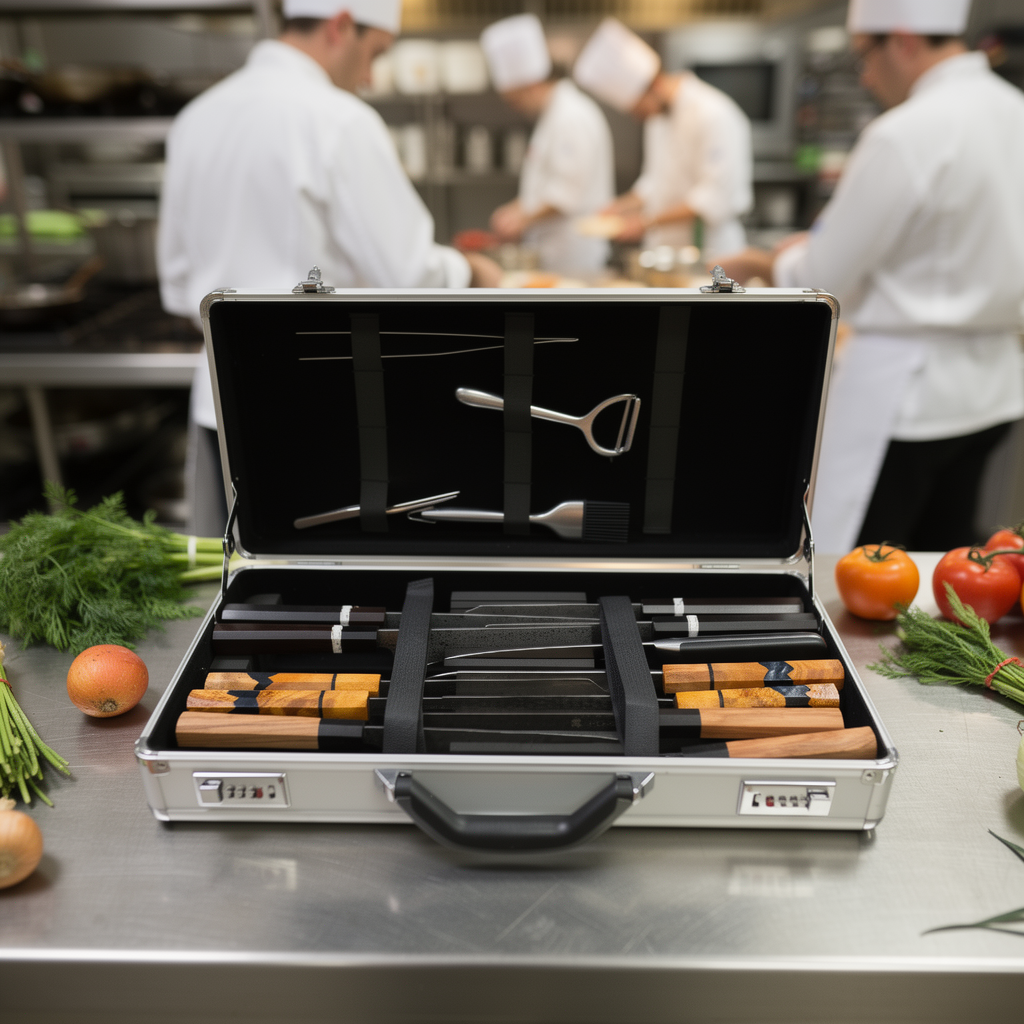
For serious cooks and professional chefs, the Hephais Aluminium Chef Knife Case holds up to 14 knives in individual foam-lined slots with combination locks and a shoulder strap. It's built for competition travel, daily transport between kitchens, and any situation where your tools need to be properly protected.
Final Thoughts on Your Blade's New Home
An aluminium knife case is a smart investment for anyone serious about their knives. The real value is how it keeps your blades safe from bumps and drops, whether you're heading to a gig or just moving them around the kitchen. Load each knife into its own space, keep the case clean and dry, and it will protect your tools reliably for years. Think of it as an investment in keeping your sharpest equipment in top shape.
Frequently Asked Questions
Why is an aluminum frame so important for protecting good knives?
Think of the aluminum frame like a strong shield for your knives. Unlike soft bags that let knives bump into each other, the aluminum frame keeps everything separate and safe. It's like giving your valuable tools their own secure spot, preventing them from getting bent or chipped during travel. If your knives are expensive, this frame is like insurance to keep them in top shape.
How do I make sure my knives don't move around inside the case?
The trick is to use the special slots and padding inside the case. Each knife should have its own spot where it fits snugly. Don't force knives into spaces that are too small, and make sure there are no big gaps. It's like packing a puzzle – each piece (knife) has to go in its exact place. If you shake the case gently and don't hear any rattling, you've done it right.
What's the best way to arrange knives in the case?
Start by putting your biggest and heaviest knives at the bottom. This makes the case more stable. Then, carefully place each knife into its own slot, making sure the blade is straight and not touching the sides too much. Double-check that the handles aren't hitting anything. It takes a little time, but it's worth it to keep your blades safe.
How often should I clean my aluminum knife case?
You don't need to clean it all the time, but it's good to wipe it down after you use it, especially the outside. About once a month, or after a big job, you should empty it out and check the inside for any crumbs or dirt. Gently clean the padding with a damp cloth and make sure it's totally dry before putting your knives back. Also, give the latches a little oil every six months.
Will the aluminum case stop my knives from getting scratched?
The aluminum frame itself doesn't stop scratches, but it keeps the knives from rubbing against each other. The real scratch protection comes from the soft lining inside the case, like thick foam or soft fabric. This lining acts like a cushion, so the sharp blades don't touch the case or each other. Make sure the case you choose has good, soft padding inside.
Do professional chefs really think these aluminum cases are tough enough?
Yes, many chefs rely on them. They find that these cases hold up well even when used a lot in busy kitchens or when traveling for jobs. The strong aluminum frame and good padding protect their expensive knives from bumps and drops. Chefs often say that investing in a good aluminum case saves them money in the long run because their knives don't get damaged as easily.


